BUILT FOR
BUILT FOR
BUILT FOR
Data Scientists
Data Scientists
Data Scientists
A New Foundation
For Data Science
NEXUS is a foundation model specifically designed for tabular data. Pre-trained on billions of tables, NEXUS applies prior knowledge of tabular systems and an understanding of the real world to empower data scientists with the ability to make more accurate predictions, faster.
NEXUS is a foundation model specifically designed for tabular data. Pre-trained on billions of tables, NEXUS applies prior knowledge of tabular systems and an understanding of the real world to empower data scientists with the ability to make more accurate predictions, faster.



Identify the Signals Others Miss
Identify the Signals Others Miss
Hidden deep in large tabular datasets are complex interactions that manual feature engineering and traditional ML models often miss.
Hidden deep in large tabular datasets are complex interactions that manual feature engineering and traditional ML models often miss.
NEXUS identifies these latent correlations to boost accuracy across high-dimensional systems — critical for datasets with sparse observations, nonlinear dependencies, or subtle structures.
NEXUS identifies these latent correlations to boost accuracy across high-dimensional systems — critical for datasets with sparse observations, nonlinear dependencies, or subtle structures.
Stop Building Models From Scratch
Stop Building Models From Scratch
Traditional ML workflows build a new model for every task. NEXUS starts with a pretrained tabular foundation and adapts it to each problem.
Traditional ML workflows build a new model for every task. NEXUS starts with a pretrained tabular foundation and adapts it to each problem.
Traditional ML
Traditional ML
Every new problem requires building and tuning a model from scratch.
Every new problem requires building and tuning a model from scratch.
Data
Data
Feature Engineering
Feature Engineering
Model Selection
Model Selection
Training
Training
Hyperparameter Tuning
Hyperparameter Tuning
Deploy
Deploy
NEXUS
NEXUS
A pretrained tabular model that adapts to new datasets without rebuilding the entire pipeline.
A pretrained tabular model that adapts to new datasets without rebuilding the entire pipeline.
Pre-Trained NEXUS
Pre-Trained NEXUS
Pre-Trained NEXUS
Tune
Tune
Deploy
Deploy


Better
Better
Performance
Performance
With Less Manual Effort
With Less Manual Effort
Achieving strong performance in tabular prediction often requires extensive feature engineering and fine tuning.
Achieving strong performance in tabular prediction often requires extensive feature engineering and fine tuning.
NEXUS reduces that burden by automating structural learning.
NEXUS reduces that burden by automating structural learning.
WHAT NEXUS UNLOCKS
WHAT NEXUS UNLOCKS
01
Stop Rebuilding From Scratch
Stop Rebuilding From Scratch
Begin with a pre-trained tabular foundation rather than training each model individually.
Begin with a pre-trained tabular foundation rather than training each model individually.
02
Support More Prediction Tasks
Support More Prediction Tasks
Model a wider range of use cases with fewer architectural constraints.
Model a wider range of use cases with fewer architectural constraints.
03
Achieve Higher Accuracy
Achieve Higher Accuracy
Deliver stronger performance and more reliable results across complex, real-world datasets.
Deliver stronger performance and more reliable results across complex, real-world datasets.

True Pattern Recognition
True Pattern Recognition
Most models just observe data points; NEXUS sees the underlying system. While conventional methods struggle with non-linear dependencies and complex seasonality, NEXUS captures the relationships that traditional models miss.
Most models just observe data points; NEXUS sees the underlying system. While conventional methods struggle with non-linear dependencies and complex seasonality, NEXUS captures the relationships that traditional models miss.
Most models just observe data points; NEXUS sees the underlying system. While conventional methods struggle with non-linear dependencies and complex seasonality, NEXUS captures the relationships that traditional models miss.
HOW IT COMPARES
HOW IT COMPARES
Linear Regression
Linear Regression
Blunt Trend Estimation
Blunt Trend Estimation
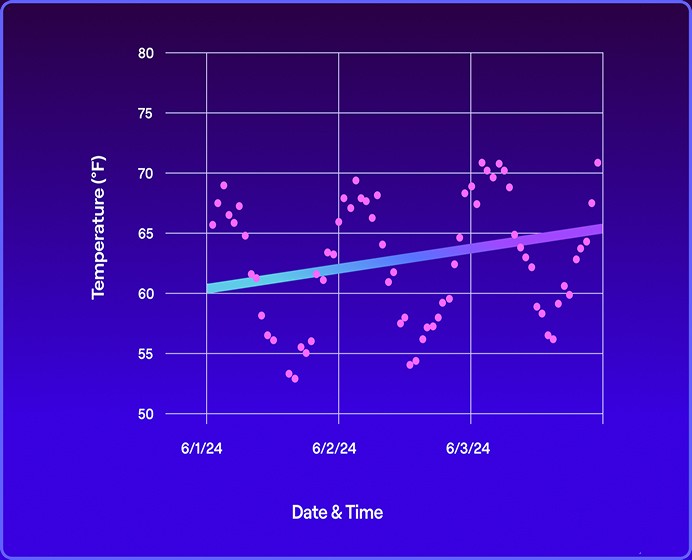
Fails to capture cyclicality entirely, ignoring the inherent structure of the data.
Fails to capture cyclicality entirely, ignoring the inherent structure of the data.
Traditional ML
Traditional ML
Step-wise Approximations
Step-wise Approximations
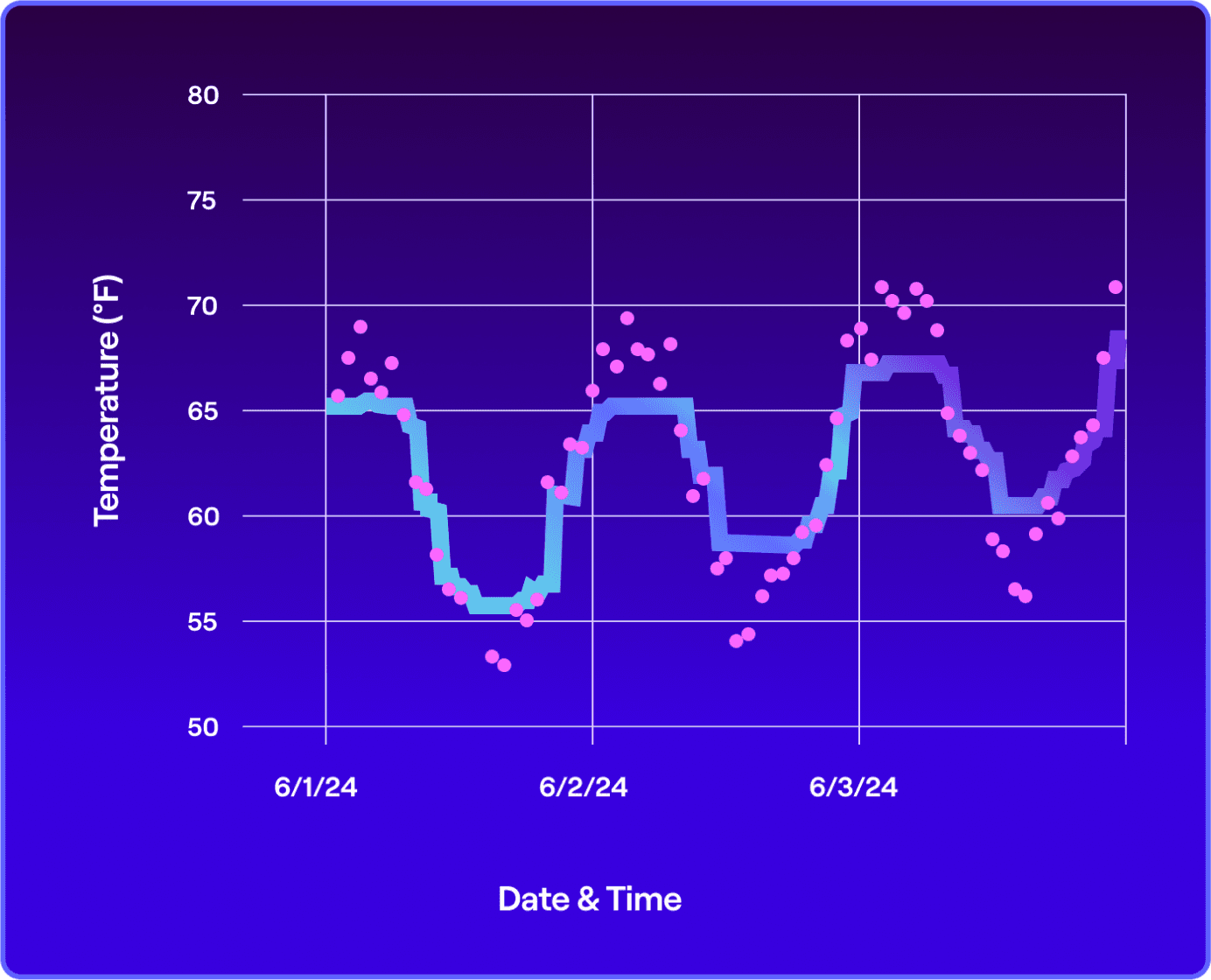
While capturing the trend, the "jagged" fit misses the continuous, fluid nature of true patterns.
While capturing the trend, the "jagged" fit misses the continuous, fluid nature of true patterns.
Linear Regression
Blunt Trend Estimation
Fails to capture cyclicality entirely, ignoring the inherent structure of the data.
Traditional ML
Step-wise Approximations
While capturing the trend, the "jagged" fit misses the continuous, fluid nature of true patterns.

NEXUS
Latent Pattern Recognition
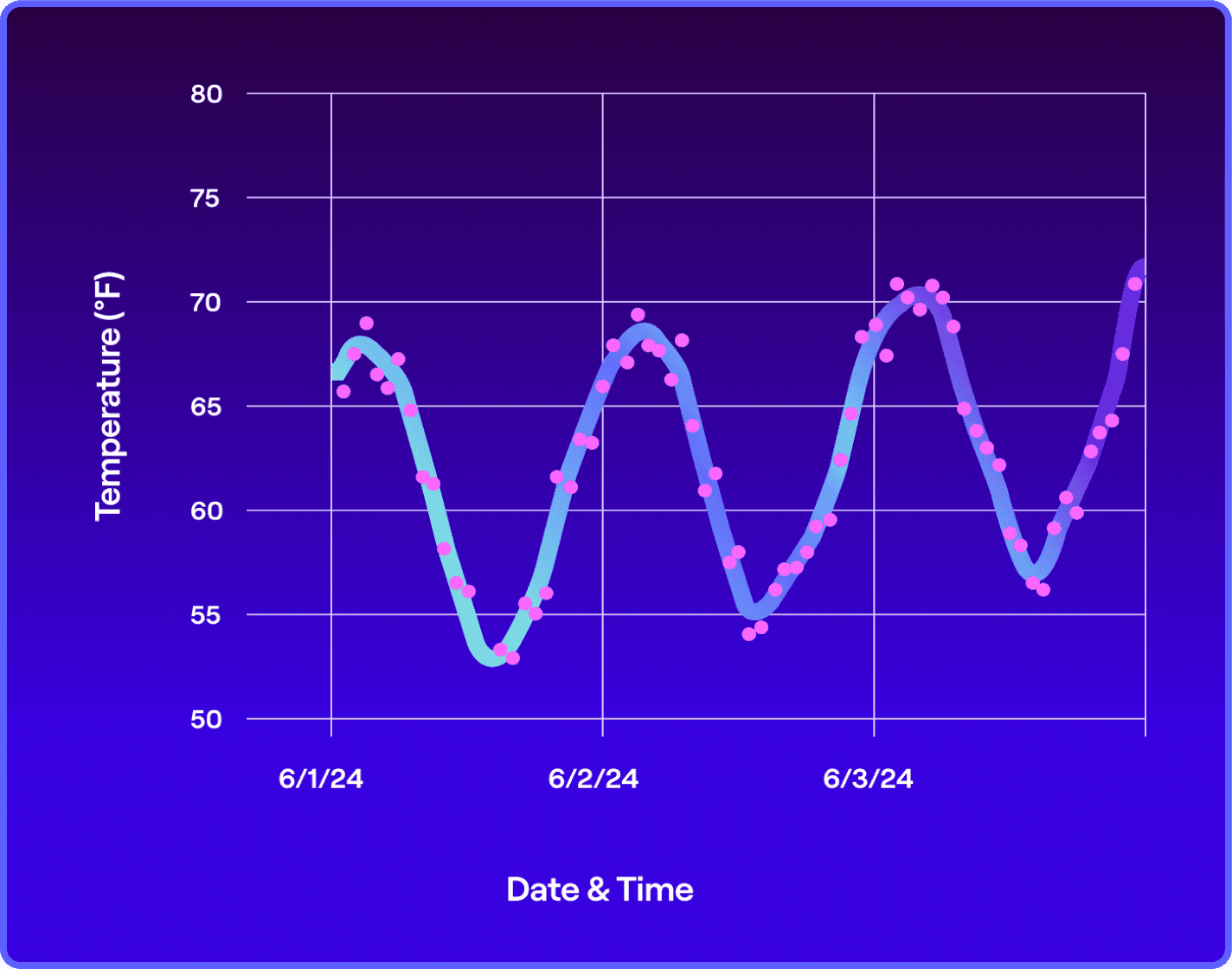
Captures the underlying shape and structure of the data, learning complex feature interactions directly rather than relying on manually engineered features.
NEXUS
Latent Pattern Recognition
Captures the underlying shape and structure of the data, learning complex feature interactions directly rather than relying on manually engineered features.
NEXUS
Latent Pattern Recognition
Captures the underlying shape and structure of the data, learning complex feature interactions directly rather than relying on manually engineered features.
Help Build the Future of Tabular Intelligence
Help Build the Future of Tabular Intelligence
We’re building a new foundation for data science. Join a team working at the frontier of Large Tabular Models, large-scale datasets, and real-world predictive systems.
We’re building a new foundation for data science. Join a team working at the frontier of Large Tabular Models, large-scale datasets, and real-world predictive systems.




Fundamental Technologies Inc.
Copyright © 2026
All rights reserved
Copyright © 2026
All rights reserved
Fundamental Technologies Inc.